
The Green Shutters, New Orleans
Architecture and courtyard atmosphere
A sun-warmed courtyard scene defined by textured walls, dark window openings, and vivid green shutters that give the composition both structure and charm.
Abbott Fuller Graves was an American painter and illustrator best known for floral still lifes, luminous garden scenes, and elegant architectural compositions shaped by Impressionist light and decorative color.
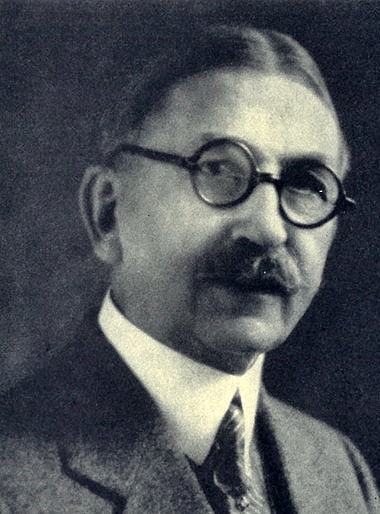
His paintings balance floral abundance, warm natural light, and an inviting decorative sensibility. Many of his best-known works combine flowers, courtyards, windows, and intimate garden spaces in a way that feels graceful rather than grand.
Born in Weymouth, Massachusetts, Graves first studied architecture at MIT before turning fully toward painting. He traveled to Europe in the 1880s to develop his skill as a flower painter, later taught in Boston, and became especially associated with decorative garden views, floral still lifes, and intimate outdoor settings.
Abbott Fuller Graves paintings are especially appealing in interiors because they bring warmth without heaviness. Their flowers, garden paths, shutters, mirrors, and courtyard settings create a refined atmosphere that feels calm, decorative, and easy to live with.
Graves is often remembered for the way he joined flowers and architecture into a single decorative experience. Instead of treating flowers as isolated botanical studies, he often placed them in courtyards, on terraces, near doorways, or within carefully arranged interiors. His use of bright color, textured brushwork, and natural light reflects Impressionist influence, but the mood of his paintings remains gentler and more intimate than purely atmospheric landscape painting.
For modern viewers, his art works well because it is visually rich without being difficult. Floral subjects make the paintings approachable, while the architectural settings add structure and depth. That combination makes many Graves compositions suitable for living rooms, hallways, dining areas, and spaces where people want color, elegance, and a sense of cultivated calm.
These paintings show the floral richness, architectural interest, and warm decorative atmosphere often associated with Abbott Fuller Graves.
Architecture and courtyard atmosphere
A sun-warmed courtyard scene defined by textured walls, dark window openings, and vivid green shutters that give the composition both structure and charm.

Floral still life
A lush floral arrangement that shows Graves's gift for fullness, softness, and color harmony, turning peonies into a decorative statement rather than a strict botanical study.

Interior floral scene
This composition uses reflection and floral abundance to create a quiet interior mood, showing how Graves could make decorative spaces feel intimate and alive.

Garden scene
Light, foliage, and floral color come together in a scene that feels airy and leisurely, capturing the relaxed brightness often associated with Graves's garden paintings.

Garden leisure scene
A decorative outdoor setting that combines social calm, shade, and cultivated greenery, giving the painting an elegant and hospitable mood.

Garden and water feature
This work highlights Graves's interest in composed outdoor beauty, where flowers, architecture, and water create a serene decorative rhythm.
Although he is most often associated with flowers and gardens, Graves also painted scenes shaped by travel and place, including New Orleans courtyards and other decorative architectural views. His reputation rests on his ability to make cultivated spaces feel luminous, welcoming, and quietly memorable.
He is best known for floral still lifes, decorative garden paintings, and elegant scenes that combine flowers, architecture, and warm natural light.
His work shows strong Impressionist influence in color, brushwork, and light, though his paintings often feel more decorative and intimate than large-scale landscape Impressionism.
Many of his compositions are visually rich without feeling heavy. Flowers, courtyards, shutters, and garden settings add warmth, refinement, and a welcoming sense of space.
Flowers, gardens, windows, terraces, courtyards, and carefully arranged domestic or architectural settings appear frequently in his paintings.
Yes. Graves studied in Europe and later painted scenes shaped by travel, including decorative architectural and courtyard compositions associated with places like New Orleans.
If you enjoy floral still lifes, luminous gardens, and refined courtyard scenes, you can browse more hand-painted reproduction options in the full collection.